
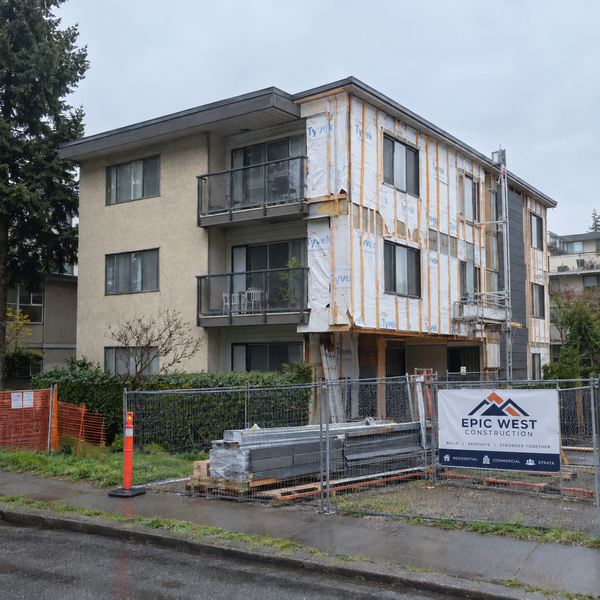
A retired business owner came to me looking for approximately $100,000 to pay a special assessment on the condo he was living in.
He had been a successful business owner but had been retired for more than 15 years and was now living primarily from his savings. He was planning to sell his condo the following year, but unfortunately, the strata couldn’t wait until then. The special assessment had to be paid.
Why couldn’t the bank help?
Although he had substantial equity in his home and sufficient savings to support his lifestyle, his regular reported income consisted of only a small pension.
That made qualifying for conventional bank financing difficult.
This is a common problem that occurs in retirement. Someone can have considerable assets and net worth but relatively little income on paper. From the bank’s perspective, the income may not be sufficient to qualify for the loan, even though the borrower owns a valuable property or two.
Looking beyond the immediate $100,000 need
After reviewing his overall financial situation, it became apparent that borrowing only the $100,000 needed for the special assessment wasn’t necessarily the best solution.
He also had some higher-interest debts. Consolidating those debts into the new financing would reduce the interest he was paying and simplify his finances.
There were two possible solutions: a private mortgage and a reverse mortgage.
Why a reverse mortgage made more sense
In this particular situation, the reverse mortgage was a better fit.
One important advantage was that there were no mandatory monthly mortgage payments. This was particularly useful for someone in retirement who wanted to preserve his monthly cash flow.
There was another advantage that suited his circumstances particularly well.
Although he initially needed approximately $150,000, he was approved for access to an additional $150,000. He didn’t have to borrow the additional money, and no interest would be charged until the money is borrowed.
That provided him with a financial cushion.
He was planning to sell the condo in the foreseeable future and thought he might need additional funds for repairs and improvements before putting the property on the market. Also he foresees that he might have medical expenses coming up. If that happened, he could request additional funds from the amount already approved rather than having to arrange an entirely new loan.
Comparing the costs
Cost was another important consideration.
The private mortgage option available to him would have carried an interest rate of 6.50% plus a 2% fee.
Instead, he initially borrowed $150,000 through the reverse mortgage at 4.99%, with a fee of $1,500. An additional $150,000 was approved and available if needed.
Because this was a reverse mortgage, he wasn’t required to make monthly mortgage payments. Interest could be added to the outstanding balance. However, he also had the option of making payments toward the interest if he wanted to limit the growth of the loan balance.
Choosing the financing that fits the situation
Private lending can be extremely useful when conventional lenders can’t provide the financing a borrower needs. But that doesn’t mean a private mortgage is always the best alternative.
In this case, the client’s age, home equity, limited retirement income, anticipated sale of the property and potential need for additional funds made a reverse mortgage a better fit.
Sometimes the solution isn’t simply finding a lender willing to provide the money. It’s finding the type of financing that makes the most sense for the situation.
Details have been modified to protect client privacy. This example is for illustration only; private lending rates, fees and approval criteria vary by borrower, property, lender and general economic conditions.