
The owner of a successful restaurant came to me for financing after being turned down by his bank.
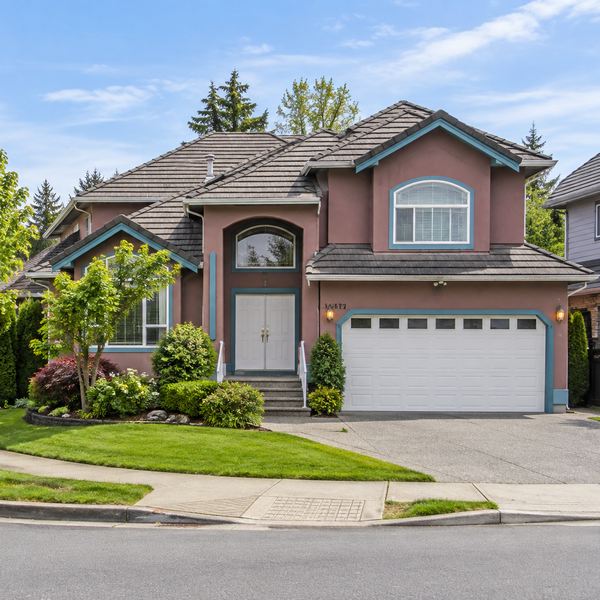
He had been renting a house that he loved, in a location where he wanted to stay. When the owner decided to sell the property, he saw an opportunity to buy the home rather than move.
There was just one problem: he couldn’t qualify for the mortgage he needed through a traditional bank.
Why couldn’t the bank help?
The restaurant was successful and he was confident that he could afford the mortgage. However, as is often the case with business owners, the income he was able to show on paper wasn’t sufficient to meet the bank’s mortgage qualification requirements.
I first reviewed his financial statements to determine whether the issue was simply that he was retaining a significant amount of income inside his corporation. If that had been the case, there might have been ways to present a more complete picture of his income to a traditional lender.
That wasn’t the situation here.
After reviewing his finances, it became apparent that conventional bank financing wasn’t going to work. But that didn’t necessarily mean he needed a private mortgage.
The middle ground between a bank and a private lender
In this case, a B lender was a better fit.
B lenders are financial institutions that serve borrowers who may not meet the underwriting requirements of traditional banks but can still demonstrate the ability to support a mortgage.
There are many reasons someone may fall into this category. A borrower might be self-employed and have difficulty documenting income in the conventional way, or have a credit history that doesn’t quite meet a bank’s requirements.
The important point is that being turned down by a traditional bank doesn’t necessarily mean the next step is private lending.
There can be another option in between.
Building the case for the lender
After reviewing the restaurant owner’s bank statements and other financial information, I was able to put together a case demonstrating his ability to support the mortgage.
His strong credit history also helped.
A B lender agreed to provide the financing.
He was offered a two-year mortgage at a rate approximately 1% higher than the five-year bank rate we were comparing it with, plus a lender fee of 1%.
That was more expensive than the conventional mortgage he had originally hoped to obtain, so the additional cost had to be considered carefully.
For him, however, the decision wasn’t simply about getting the lowest possible mortgage rate. He had the opportunity to purchase the home he was already living in, in a location he loved, and he believed the mortgage payments were affordable within his actual financial circumstances.
He decided that the additional cost was worth it.
A bank decline doesn’t always mean the end of the road
There is an important distinction between not qualifying for a mortgage under a bank’s lending guidelines and not being able to afford a mortgage.
In this case, the client’s documented income didn’t fit the bank’s requirements, but his broader financial picture allowed another lender to consider the application differently.
Private lending wasn’t necessary. A B lender provided the middle ground.
Sometimes, when one lender says no, the solution isn’t to give up on the purchase. It’s to understand why the application was declined and determine whether another type of lender can reasonably accommodate the situation.
Details have been modified to protect client privacy. This example is for illustration only; private lending rates, fees and approval criteria vary by borrower, property, lender and general economic conditions.